Why so many founders are handing their businesses to their staff
A housebuilder, a £125m contractor, a PR agency, a hotel, a brewery and a tech firm: in two weeks, six UK founders chose employee ownership. Why, and what it means for owners weighing their options.
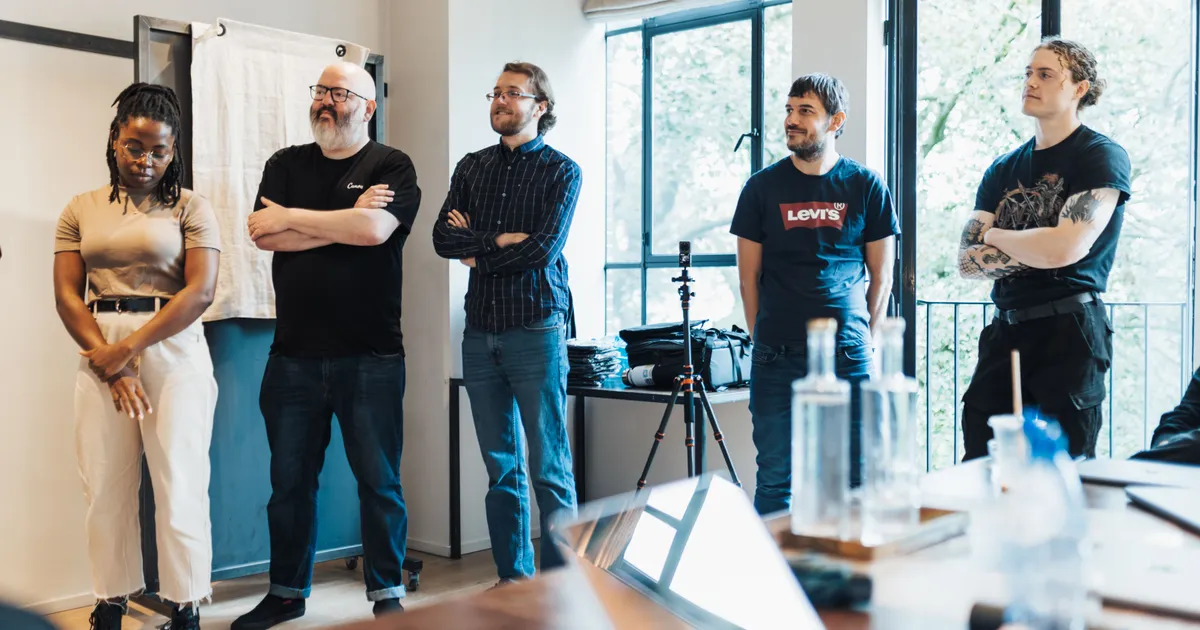
In the space of two weeks, at least six UK founders chose to hand their businesses to their staff rather than sell to a buyer.
Who’s done it
- Edenstone, a Welsh housebuilder with turnover of £63m and around 100 staff, founded in 2003
- Bugler Group, a £125m Hertfordshire housing contractor run by three brothers, who are all staying on
- Premier, an entertainment communications agency with 25 years in the industry
- Sandy Mount House, a beachfront hotel and restaurant on Anglesey
- The Rebellion Beer Company, an independent brewery
- Solar Wheel, a Carmarthen windfarm technology business trading for more than 30 years
They span construction, hospitality, food and drink, tech and professional services. Around 3,000 UK businesses are now employee-owned.
Why now, when the tax break has been cut?
What makes this interesting is timing. Until November 2025, selling to an employee ownership trust was free of capital gains tax. Since then, only half the gain is exempt, so the tax advantage over a normal sale has narrowed sharply.
Yet owners are still choosing it. The reasons they give are telling:
- Continuity. Edenstone’s chairman said the move meant “the same business, the same team, the same approach”. The business keeps its name, culture and independence.
- Rewarding loyalty. Staff who helped build the business get a stake in its future, and can receive tax-free bonuses of up to £3,600 a year.
- Choosing the successor. Instead of selling to a competitor or investor, founders decide who carries the business forward, and in several of these cases, they stay involved.
The trade-off
Employee ownership isn’t right for every business. The trust rarely has money of its own, so the price is usually paid over several years out of future profits, which means the founder’s payout depends on the business continuing to perform after they step back. A trade buyer might also pay more, and pay more of it up front.
It tends to work best for businesses that are consistently profitable, have a strong management team already in place, and have owners who care about legacy as much as price.
What to do if you’re considering it
- Compare it properly with a sale: the price, how much you receive up front, how long the rest takes, the risk it doesn’t arrive, and the tax at each stage.
- Check your management team can run the business without you, because the deferred payments depend on it.
- Take specialist advice early, especially since the tax rules changed last year.
Read more: Selling to your employees: how employee ownership trusts work in 2026 and the latest deals in our deal tracker
Exit Index provides general information, not financial, legal or tax advice. Speak to a qualified adviser about your own circumstances.